

Education in Pakistan is at a turning point. Despite decades of reforms and investments, millions of children remain out of school, and those who do attend often struggle to gain even basic literacy and numeracy skills. If the country is serious about equipping its young population for the future, it will need to rethink its approach—and invest far more than it does today.
Currently, Pakistan spends about 2.5% of GDP on education. Experts suggest that providing quality schooling for all children would require around 5.4% of GDP, along with better use of existing resources. Without such change, progress will remain slow, and the country’s children will continue to face barriers to opportunity.
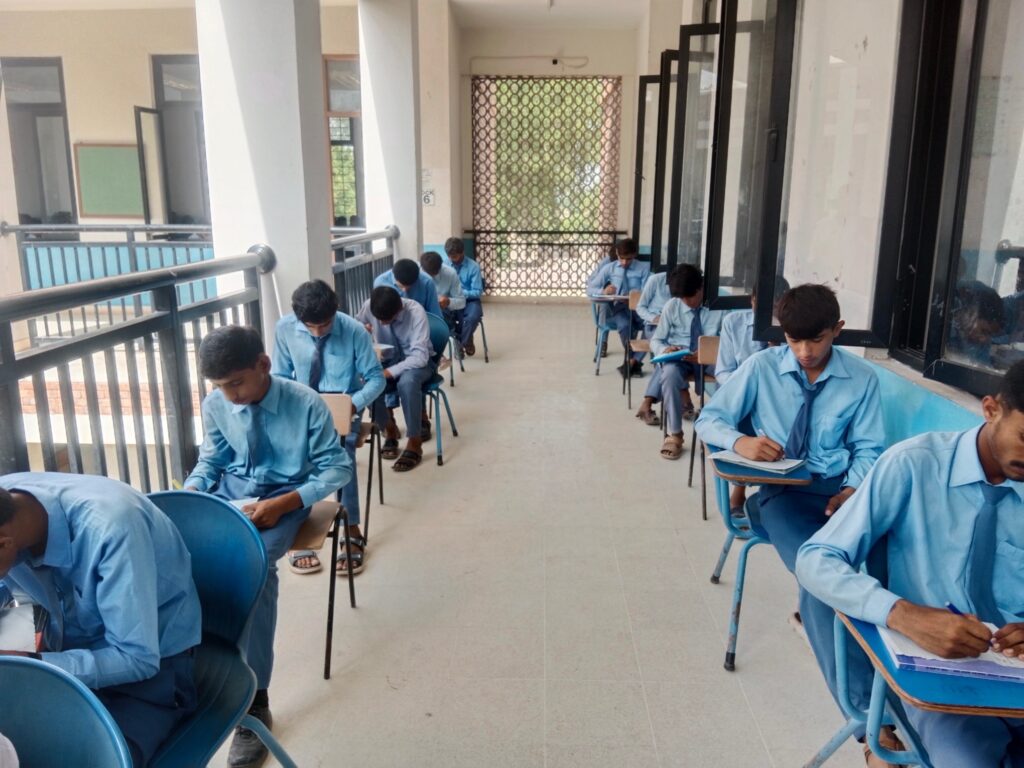
The Scale of the Challenge
Pakistan has the second-largest number of out-of-school children in the world—more than 20 million. Even before COVID-19 and the devastating 2022 floods, learning outcomes were alarming: about 75% of 10-year-olds could not read and understand a basic text, a situation often described as “learning poverty.”
These problems hit the poorest the hardest. Girls, rural children, and those from disadvantaged families are most likely to miss out on education altogether. In provinces such as Sindh and Balochistan, the percentage of out-of-school children is far higher than the national average, showing how uneven progress has been.
Why the Old Approach Falls Short
One of the biggest obstacles is treating all out-of-school children as if they are the same. In reality, their needs differ. For example:
- Girls are more likely to be excluded than boys.
- Rural children face bigger barriers than those in cities.
- Older children who never attended school cannot simply be placed in primary classes; they need alternative learning programs.
Without targeted policies, resources are wasted and the most vulnerable continue to fall behind.
What Needs to Change
A more effective strategy for Pakistan’s education sector would involve three major shifts:
- Tailored Programs: Solutions should be designed for specific groups—whether that means second-chance learning for teenagers, or safe schooling options for girls in rural areas.
- Focus on Proven Approaches: Instead of high-cost but low-impact schemes, the focus should be on programs that evidence shows actually improve enrollment and learning.
- Smarter Spending: With limited funds, every rupee must go where it can achieve the most impact—especially in communities with the lowest outcomes.
Practical, Scalable Solutions
Pakistan doesn’t need to start from scratch. Several initiatives have already shown promise and can be expanded:
- Public-private partnerships have helped increase access in Punjab and could be scaled up nationwide with proper regulation.
- Community and government schools can be strengthened, with steps like ensuring teacher attendance and adding double shifts where appropriate.
- Multigrade classrooms—common in rural areas—can be made effective if designed and funded properly, as has been done successfully in other countries.
A Call for Greater Investment
Ultimately, achieving universal quality education in Pakistan requires both higher investment and better efficiency. Raising education spending to around 5.4% of GDP would be a start, but the money must also be used wisely, focusing on results rather than symbolic programs.
Bringing children into classrooms is only the first step. The real goal is to ensure they learn meaningful skills—literacy, numeracy, and critical thinking—that allow them to contribute to their families, communities, and the economy.